

We earn a commission when readers buy from our links. It never costs you extra and it never decides what we recommend.
A barndominium with an RV garage blends modern living with the kind of practical storage you just don’t get in a typical house. You get a home that feels cozy but also has enough space for those oversized vehicles you just can’t fit in a regular garage.
These custom homes feature open layouts and those huge garages everyone dreams about—big enough for RVs, boats, or whatever toys you’ve got. Most barndominiums with RV garages fall somewhere between 1,800 and 5,000 square feet of living space, plus garages designed for oversized vehicles.
There’s a reason these homes attract more than just RV owners. Anyone who wants some extra room for storage or a workshop will get it. Barndominium designs with RV garages keep vehicles sheltered from the elements and make it easy to get to the main living spaces. Some plans even have drive-through garages—no more tricky reversing or tight squeezes.
What’s nice is how flexible these homes can be. You can pick your bedroom layouts, garage size, or go wild with features like wraparound porches or dedicated workshops.
It’s that mix of comfort and utility that makes barndominiums such a solid choice for folks who want modern living with a practical edge.
Best SElling RV barndominium floor plans

Key Features & Benefits Of RV Garage Homes
One standout is that house plans with RV garages protect your investment from sun, wind, and whatever else the weather throws at you. That extra protection can help your RV last longer and might even save you a bit on upkeep.
If you’re an RV enthusiast, these homes make an awesome base camp for your adventures. You can prep for trips and store everything you need, all in a climate-controlled spot.
RV garages deliver way more room, both up and out. The open-concept living you see in these homes means fewer walls and high ceilings—so you can arrange the space however your life demands. It’s easy to tweak layouts as your needs change.
Some folks live in their RVs full-time, but still want a home base. A barndominium lets you keep your mobile lifestyle and have a real house, too.
Energy-wise, metal construction and solid insulation help keep heating and cooling costs in check. The big, open spaces actually help regulate temperature more evenly than you’d think.
Design Options
Getting the floor plan right is about more than just square footage. You have to juggle garage size, living area flow, and storage so you don’t end up with wasted space. The trick is making sure your RV fits without cramping your day-to-day life.
Your garage has to fit your actual RV, not just some generic measurements. Standard sizes run from 12 feet high by 14 feet wide for smaller rigs, up to 15 feet by 40 feet for the big Class A motorhomes.
Door options matter, too. Roll-up doors are popular—they’re easy to use and don’t eat up space.
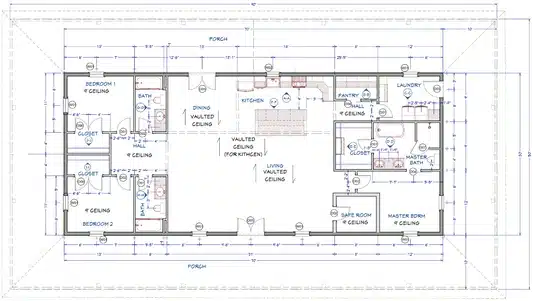
The Gail RV Barndominium Plan


Frequently Asked Questions
Thinking about building your own barn home with an RV garage? There are plenty of things to consider—design, budget, codes, and even finding one for sale. Here are a few questions that come up a lot.
What are the design considerations for incorporating living quarters in a barndominium with an RV garage?
Definitely keep living areas separate from the garage to avoid noise and fumes. Open concept designs help maximize space without feeling boxed in.
Ceiling height matters—a lot. The RV garage needs at least 14 feet, and living areas feel better with high ceilings, too.
Think about where you put doors. Ideally, you want to get into the house without walking through the garage.
Smart storage goes a long way. Built-in cabinets and shelves can serve both living and garage spaces without cluttering things up.
Can you recommend efficient floor plans for a small barndominium that includes an RV garage?
If you’re working with a 40×60 footprint, you get about 2,400 square feet to play with—a pretty decent amount for a 30-foot RV bay and still enough space left for a couple of bedrooms. Maybe three, if you’re creative with the layout and like open kitchen-living combos (who doesn’t?).
The square footage is similar, but the proportions shift a bit, so you can fit a longer RV or just have more wiggle room in the garage. It really depends on what you’re trying to park and how much you care about the living space flow.
Are there any specific building codes or regulations to consider when constructing a barndominium with an RV garage?
Zoning rules are all over the place. Some towns are totally fine with barndominiums, others… not so much. It’s smart to double-check local ordinances before you get too far into planning. Saves a lot of headaches.
Fire safety codes are no joke—usually, you’ll need a solid wall between the garage and living space, sometimes with a specific fire rating. It’s all about keeping your home safe if something goes wrong in the garage.
Electrical stuff can get complicated. The living areas follow residential code, but garages often need to meet tougher, sometimes commercial, standards. You’ll want proper ventilation and GFCI outlets anywhere water might be an issue.
If you’re out in the country, you’ll probably need permits for septic and wells. The size of those systems depends on how many bedrooms and bathrooms you’re planning. More rooms, bigger systems.
What materials and construction techniques are recommended for building a durable and sustainable barndominium with an RV garage?
Steel framing is a go-to for a reason—it’s tough, and you don’t need a bunch of interior posts breaking up your space. That’s perfect if you want a big, open garage and living area without weird columns everywhere.
Metal roofing? It just makes sense. It shrugs off snow, lasts ages, and bounces back heat so your place stays cooler in summer. There’s a reason you see so many metal roofs in rural areas.
Concrete floors are practical for the garage, and honestly, they look pretty cool in living spaces too if you finish them right. Plus, they help keep the temperature steady, which is a nice bonus.
Spray foam insulation is a bit of a splurge, but it creates a tight seal that helps with moisture and energy bills. It’s one of those upgrades you’ll be glad you made when the weather turns.